Lower Elementary

(6 years to 9 years old)

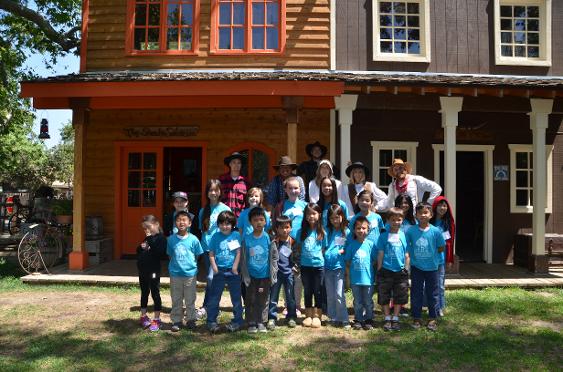
This is the time when the child utilizes his ability for memorization, imagination, logic and complex reasoning. Long blocks of time are allowed for a greater concentration span. Lessons are advanced and learning is done through imaginative learning rather than concrete. Higher math, geometry, physical and biological sciences, grammar and syntax, creative writing, and literature are presented. Children learn conflict resolution, building character, and problem-solving skills. Children take part in field trips, community service, and sports activities. 

Elementary Curriculum:
Elementary Practical Life Skills
  • Care of the class environment
  • Planning events and field trips
  • Conflict resolution and problem-solving skills
  • Computers and the elementary child
Language Arts
  • Advanced Reading Level Work - Blends, Consonant Difficulties, Vowel Difficulties, Sight Reading, Compound Words
  • Cursive Writing
  • Word study
  • Grammar and sentence analysis
  • Elementary writing skills from creative writing to research
  • "Writer's Workshop"
  • Classical Literature
  • Elocution and Drama
Mathematics
  • Develop the "mathematical mind"
  • The role of the concrete materials
  • Memorization made easy
  • The passage to abstraction
  • Hands-on, real-life math applications
  • Fractions
  • Elementary geometry
Earth Science and Physical Geography
  • The Universe
  • The Solar System
  • In-depth study of planet Earth
  • Tectonic plates and continental drift
  • Advanced land and water formations
  • Mapping skills
Prehistory
  • Develop a sense of the Earth's geology and biological prehistory through time-line studies
  • Our human ancestors
  • Bring prehistory alive through concrete experiences
Cultural Geography
  • Studies of nations and regions of the world
  • The needs of human societies emphasizing our community
  • Awareness of our place in the world and our responsibility
  • Build a global perspective through international studies
Biological Science: Botany, Zoology, Anatomy, and Physiology
  • Life on Earth
  • Biomes of the world
  • Classification of plant and animal kingdoms
  • Vertebrates and Invertebrates
  • The microscope in the elementary classroom
  • Hands-on experimental science
  • Classroom pets and plants
  • Body Systems and function
  • Health and nutrition education
Physical Science: Conceptual Chemistry and Physics
  • The nature of atoms
  • Study of the elements
  • Children's science experiments
Art
  • History of Art
  • Study of the Masters and Contemporary Artists
  • Develop the skills of using perspective, two- and three-dimensional art
  • Color and Design
  • Supporting the cultural curriculum with art
Music
  • Rhythmic patterns and musical notation
  • Music history and appreciation
  • Composers
  • Musical performances
Movement
  • Cooperative games
  • Basic sport skills